Baryonyx plans to build a 28,000 square foot data center in Stratford, which will be powered by 100 wind turbines built on the adjacent land that will generate up to 150 megawatts of power. Each of the turbines will be able to generate up to 3.3 megawatts of power. Capacity not needed by the data center will be sold to local utilities. Baryonyx said it will take about 3 years to reach the operational phase for the wind-powered data center.
The second phase is the offshore wind farms, which will feature up to 450 wind turbines, which are each 300 feet tall and capable of generating 6 megawatts of power. Baryonyx was the high bidder in a July 14 lease sale by the Texas General Land Office. Baryonyx will pay a “nominal fee” to lease the two offshore areas for wind development.
Now there’s a sound business model; sell a more affordable solution to the desperate-for-efficiency first, and then sit back as rising oil prices ensure that your target market just keeps growing… [via SlashDot; image by jesse.millan]
Then you’ll probably be glad to hear that Google have added a whole bunch of Lunar goodies to the latest edition of Google Earth, including the ability to have Buzz Aldrin take you on a guided tour. My inner seven-year-old is geeking out uncontrollably. [via SlashDot]
If you entrust your data to others, they can let you down or outright betray you. For example, if your favorite music is rented or authorized from an online subscription service rather than freely in your custody as a compact disc or an MP3 file on your hard drive, you can lose your music if you fall behind on your payments — or if the vendor goes bankrupt or loses interest in the service.
…
The crucial legacy of the personal computer is that anyone can write code for it and give or sell that code to you — and the vendors of the PC and its operating system have no more to say about it than your phone company does about which answering machine you decide to buy.
… This freedom is at risk in the cloud, where the vendor of a platform has much more control over whether and how to let others write new software. Facebook allows outsiders to add functionality to the site but reserves the right to change that policy at any time, to charge a fee for applications, or to de-emphasize or eliminate apps that court controversy or that they simply don’t like.
As useful as storing links, calandars, emails, and documents in the cloud is I like to keep local backups of all my stuff (where possible). The further threat to the decentralised innovation that has characterised software development over the last several decades is another reason to be sceptical of the benefits of the cloud.
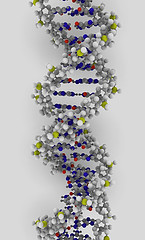
With an increasing number of medical and judicial proceedings pulling on DNA data and a continious trickle of whose-the-father paternity testing DNA is slowly but surely moving mainstream. Who’ll be the first to take individual’s DNA data and mash it up with dating profiles? Nature versus nurture? Bring on the hucksters.
The rise in adoption/use of DNA is particularly interesting because it affects people, families deeply and retrospectively. Your dad for the last 40 years? He’s not, y’know. (For source stats head over to Measuring paternal discrepancy and its public health consequences by Mark A Bellis et al. – they cite ~0.8% to 30% paternal discrepancy, median 3.7%)
Roll forward 20 years when you can obtain a DNA test for the cost of a packet of gum – hell, it might even come in the form of a stick of ‘DNA Brand’ gum where the consumer is encouraged to spit out and stick after use.
Can you think of any Gibsonian street uses for ubiquitous affordable DNA testing? [image by ynse]
Sexy Space uses text messages reading “A very sexy girl, Try it now!” to jump between phones. The messages contains a link that, when clicked, asks the user to download software which, once installed, sends the same message to contacts stored in the phone.
Similar SMS viruses have been seen before. But Sexy Space is unusual in that it also communicates with a central server and can thus be controlled by the hackers who created it – the feature that gives conventional botnets their power. If the network of infected phones is seen to be responding to remote commands, it can be described as a true botnet.
[The first smug Apple fanboy to post an evangelical comment will incur the wrath of my crack team of Estonian DDOS experts. If the capability to not have to use your common sense to avoid viruses is really worth the hardware premium you pay for the privilege, I suggest basking silently in the glow of your own self-satisfaction.]
Presenting the fact and fiction of tomorrow since 2001
 Server farms use a whole lot of power, and with the price of energy likely to start skyrocketing again before too long, canny businesses will be looking for a way to keep a cap on the costs of running their hardware. Enter Texas firm Baryonyx, which intends initially to build server farms powered primarily by renewable energy sources like wind power… but that’s just the start.
 Jonathan Zittrain explores some of the downsides of the incipient
  I’ve recommended
  Ever find yourself wishing your phone could run the same software as your home computer? Well, at least