So, you may have noticed Justin joining the ranks here at Futurismic this week – and a fine addition I’m sure he’ll be. But we need more – there’s too much interesting stuff for us to cover!
So, are you interested in blogging for Futurismic? See if you fit our criteria:
- enthusiastic consumer of science fiction literature and cutting edge news
- some blogging experience (preferably WordPress-based; personal sites and LJs count, MySpace and Facebook don’t)
- some very basic HTML skills
- good language skills
- an eye for a news story with a science fictional angle
- the time and resources to post approximately once per weekday (though if you can only post at weekends, we’re still interested)
Does that sound like you? Does the idea of blogging for Futurismic appeal?
I’ll be totally upfront – there’s no money involved. The only people who get paid at Futurismic are our fiction contributors. But it’s a lot of fun, and there’s kudos and glory to be gained! Plus the thrill of writing for an audience of 2,000 people every day.
Still keen? Great! Head on over to the Futurismic Contact page and follow these instructions precisely:
In the subject field type “Blogging Application”.
Then in the message field provide:
- your full name (and nom de blog, if relevant)
- links to sites where you’ve blogged/are blogging
- a few sentences explaining why you think you’d make a great blogger for Futurismic
- any specialist subjects and focused interests that you think make you stand out from the pack
Then attach and upload a file IN RICH TEXT (.RTF) FORMAT ONLY that contains two sample posts that you’d consider appropriate to Futurismic‘s house style. It’s the content we’re looking for, but do show what links you’d use and where you’d put them. Extra points for posts fully coded in HTML.
Pretty easy, right? Please follow those instructions carefully, though – the wrong subject field might mean your application gets eaten by the spam-trap, and the form won’t let you upload the wrong sort of file.
The rest is down to you – the deadline for applications is this Sunday, 25th May. Enquiries from previous applicants welcome. Get to it!
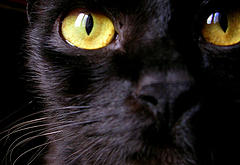 One of the hardest things about this eye-on-the-future blogging gig is finding a story like this, where the headline – “Cat brain could provide bionic eye firmware” – says everything you can say about it without going into the technical detail. [image by fazen]
 Mac’s back – and he’s been having some dark dreams. Are science fictional dystopias an inevitable side-effect of our current species-wide existential issues?
  Research is being carried out in my home town to see whether Bluetooth wireless technology is actually good for something more practical than spamming strangers at the pub with crude LOLcat pictures. [image by