The Future of Science Fiction? We’re living in it. Those “Future History” charts in the back of every Robert A Heinlein paperback, when I was about 14, had the early 21st century tagged as the “Crazy Years”. He had an American theocratic dictatorship happening about then. I hope we miss that one.
Interestingly enough, Ms Atwood mentions that she knew a young man whose opinion she asked “was sci-fi fan because he said he liked Oryx & Crake“. Y’know, that novel she swore blind wasn’t science fiction. 😉
It amazing how quickly we’re adopting the idea of ‘banking’ parts of ourselves in case of future need; it implies an understanding of the body as a biological machine, which may be why some religions find it so morally repugnant.
But religion aside, the story above brings up another contentious question – if fertility is no longer a barrier to carrying a child to term, how old is too old for a woman to become a mother? Is it merely an issue of physical suitability, or are there psychological and social implications for a child raised by parents that we would currently consider to be of grandparenting age?
[President Nasheed] said Sri Lanka and India were targets because they had similar cultures, cuisines and climates. Australia was also being considered because of the amount of unoccupied land available.
“We do not want to leave the Maldives, but we also do not want to be climate refugees living in tents for decades,” he said.
[snip]
Nasheed said he intended to create a “sovereign wealth fund” from the dollars generated by “importing tourists”, in the way that Arab states have done by “exporting oil”. “Kuwait might invest in companies; we will invest in land.”
Yet another straw on the camel’s back of geographically-defined nation states? You can bitch about the causes all you want, but when people’s homes start to disappear beneath the sea they’re not going to pay a damned bit of notice to you fiddling while Rome burns.
You’d have to have been under a pretty large metaphorical internet rock to have missed all the reports about Google Flu Trends that are floating around the web today like sneezed particles of snot, but just in case:
By tracking searches for terms such as ‘cough’, ‘fever’ and ‘aches and pains’ it claims to be able to accurately estimate where flu is circulating.
Google tested the idea in nine regions of the US and found it could accurately predict flu outbreaks between seven and 14 days earlier than the federal centres for disease control and prevention.
 Godless communists pick the penguin and use Linux “to guarantee technological independence”
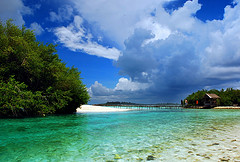 All the arguments about what actually causes global warming look pretty pointless when you read a story like this one:
  You’d have to have been under a pretty large metaphorical internet rock to have missed all the