Wow. Colour me impressed. Compellent Technologies produce network servers and data storage hubs. With the rise of the internet, the amount of power generated by servers and data has grown exponentially, with most internet servers needing vast quantities of power and cooling of the heat produced. Compellent have made a product that only uses power when the data is being accessed, using a load of technologies like Automated Tiered Storage, Thin Provisioning and Advanced Virtualization. This can cut the power usage of the company buying the data centres by up to a massive 93%. If every server used technology like this, a large chunk of every developed country’s electricity usage would disappear.
All posts by Tomas Martin
Efficient hydrogen producing – new method found
Researchers at Penn State University have produced hydrogen gas at efficiencies not found before. Tweaking an existing method that previously produced poor rates and yields, the scientists found they could produce nearly 300% the energy used to kickstart the reaction.
Electron-generating microbes produce an electric current that is run through a fuel cell containing biological matter. By adding an additional jolt of electricity at the cathode, the bacteria breaks down the organic matter into hydrogen, without releasing much in the way of greenhouse gases. Whilst this is an early result needing mass study and production, it’s a very promising discovery towards clean fuel.
Coastal villages may be abandoned to the sea
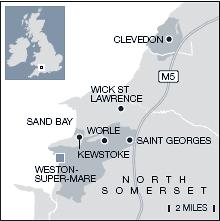
The Telegraph has an article today about the British coastline and flooding. A few days ago, a storm surge travelling down the North Sea nearly combined with high tides to overtop the flood defenses across much of the East coast of England. Another few inches could have caused widespread flooding similar to that experienced in 1953, when 300 people were killed. Today the UK government admitted rising sea levels mean a number of coastal communities will disappear within the next thirty years. Some low lying villages and farms in Norfolk, Suffolk and Somerset are too vulnerable and would be impossible to save without spending inordinate billions on sea defences. This is a discussion many governments will be having over the coming decade.
Living in Space

Space tourism is the big thing right now, if you’re a multimillionaire looking to do something no-one else has done. Or alternatively it takes years to train to be an astronaut – if you qualify. Much of science fiction is dedicated to the thought of life outside Earth’s gravity well. Yet how easy would that be? Discover magazine lists 20 things you probably don’t know about Living In Space. It offers some handy tips to surviving in a vacuum (don’t hold your breath!) as well as some interesting facts about existing astronauts, who grow around two inches on average due to less pressure on their spines. It makes you wonder how many people will want to spend their holidays in zero-g.
[via Discover Magazine, image from Apollo 17 mission via Eric Hartwell’s Infodabble]
Sustainability pays for itself
Fast Company have a great collection of 50 things companies are doing to ‘green’ their business. From Cheerios and Coors converting their waste food to biofuels to computer servers using their excess hot water to heat the buildings, a lot of big names are getting onto the trend. It’s easy to see why – reducing costs whilst increasing customer satisfaction is a rare combination. With the current way of business producing plenty of waste, it makes perfect sense to use unused food, silicon, heat and So long as the reductions don’t just lead to increased use, we should reward these companies applying the idea ‘work smart, not hard’ to their energy usage. Executives like Mike Brown are helping big companies to think more about every facet of their business. In time governments should implement a lot of these guidelines but its hard not to admire many of the businesses working ahead of the curve.